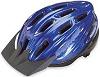
All-ages legislation for Iceland?
Iceland considered extending its child cycle helmet law to include cyclists of all ages but subsequently decided to take no further action. This page shows some of the factors that a well-informed decision needed to take into consideration.
Click here to view the criteria that need to be met in order to justify a helmet law. They apply equally to extending a law to embrace a wider range of cyclists.
To satisfy the criteria, the following evidence should be demonstrated with specific reference to circumstances in Iceland:
- Evidence that cycling is especially dangerous. In other countries, people who cycle regularly have been shown to live longer and to suffer less ill-health than non-cyclists, which cannot mean that cyclists are at exceptional risk.
- Evidence that cycling is significantly more likely to result in head injury than other common activities (e.g. walking, motoring, sport).
- Evidence that the cycle helmets available in Iceland are capable of mitigating serious injury. The current European standard, EN1078, has been criticised for the low level of protection it prescribes, yet many helmets designed to the standard do not meet it. Read more
- Evidence that helmet laws have worked elsewhere. There is much evidence on cyclehelmets.org to suggest otherwise. See: Helmet laws: What has been their effect?
- Evidence that helmets are more effective than other possible interventions. The priorities of risk management are: first, reduce risk at source; then reduce exposure to risk; finally if all else fails, apply personal protective equipment. Have these priorities been followed?
- Evidence that an extended law would be free of unintended consequences, such as a reduction in cycling (and consequence health disbenefits) or a propensity to take more risks (as has been found in some other countries).
See also